








Are you wondering which aids are available to renovate an older property and reduce your energy bills? What steps are required to obtain energy renovation aid, and what will be the remaining cost for your project?
In this article, we detail the aids available in 2026, with a focus on the main energy renovation aid, MaPrimeRénov’. We also explain complementary schemes and how they can be combined. You will also discover other renovation aids (ANAH, Energy Savings Certificates, local grants) and the recommended renovation pathway for each type of project. Practical advice, 2026 trends, and specific cases are also covered.
For answers tailored to your situation and to benefit from reliable support for all your real estate projects, contact your local Capifrance real estate advisor.
Understanding energy renovation and financial aid in 2026
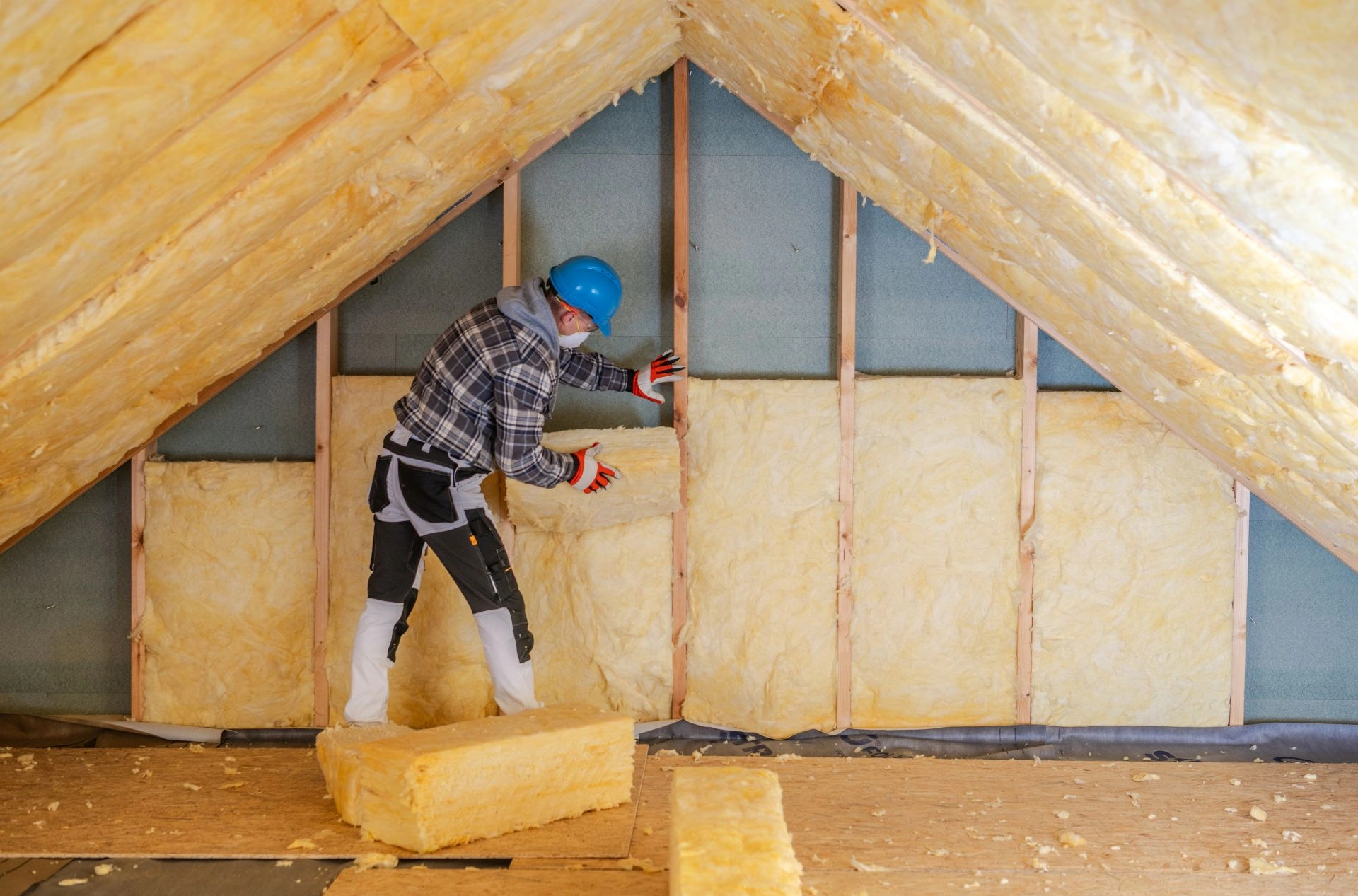
Energy renovation refers to works aimed at reducing a property’s energy consumption. These include insulation, replacement of heating systems, improvement of ventilation, and sometimes the installation of photovoltaic panels.
The Energy Performance Diagnosis (DPE) serves as a benchmark. It measures energy consumption and helps prioritize renovation works.
In 2026, public policy primarily targets “energy-inefficient properties.” The Climate Law defines priorities and obligations, particularly for landlords.
Several schemes coexist. MaPrimeRénov’ remains the main aid for private individuals. It is supplemented by ANAH grants, Energy Savings Certificates (CEE), and local aids.
The term major renovation refers to a comprehensive intervention. It often results in a gain of two or three DPE classes and provides access to enhanced subsidies.
Single-action renovation refers to targeted, cumulative operations, such as attic insulation, boiler replacement, or window upgrades.
Success requires a global strategy and a structured renovation pathway. France Rénov’ and official simulators help estimate aid and plan works.
What is energy renovation of a real estate property?
Definition of energy renovation: all works intended to reduce energy consumption and improve comfort. Thermal insulation and heating system modernization are at the core of these actions.
Two approaches can be distinguished:
Single-action renovation targeting one specific component
Global renovation aiming for a significant improvement in the DPE rating
The DPE (Energy Performance Diagnosis) is mandatory for property sales or rentals. It remains a decisive criterion for prioritizing works.
In France, energy renovation benefits from a range of schemes and subsidies designed to reduce the remaining cost and encourage sustainable investment.
Financial aids available for individuals in 2026
Renovation aids are divided into several categories. MaPrimeRénov’ remains the main aid for eligible individuals. ANAH supplements the offer for low-income households.
CEE provide energy bonuses paid by suppliers for specific works. They can finance insulation and high-performance systems such as heat pumps.
Local authorities offer local aids. Amounts and conditions vary by area. Local platforms provide information on these schemes.
The zero-interest eco-loan (éco-PTZ) remains an attractive financing solution. It is often combined with MaPrimeRénov’ and CEE to reduce the remaining cost.
To estimate your eligibility, use official simulators (France Rénov’, Mesaidesreno.beta.gouv.fr). They provide an initial estimate of aid amounts and required financing.
Finally, an overall strategy consists of combining subsidies, CEE, and loans. This approach optimizes the initial investment and improves resale value.
How to benefit from MaPrimeRénov’ in 2026: procedures and conditions
MaPrimeRénov’ is the State’s main aid for energy renovation. Since 2025, the scheme has been refocused on energy-inefficient properties rated E, F, and G.
Eligibility conditions consider the age of the property, the nature of the works, and household income. Income determines the aid category and coverage rate.
The amount of aid depends on the targeted energy improvement. Caps for major renovations are €30,000 for a two-class gain and €40,000 for a three-class gain. Rates vary depending on income category.
The process begins with a simulation. Then create your “MaPrimeRénov’ – My Account” and submit the complete application. Wait for approval before starting works.
It is essential to choose an RGE-certified contractor and comply with technical requirements. ANAH processes applications and may carry out post-work inspections.
Some components are limited in the number of applications. Submit a complete application as early as possible if you plan a major renovation.
Who can benefit from MaPrimeRénov’ in 2026?
Beneficiaries primarily include owner-occupiers and landlords. Condominium associations may also access aid for common-area works.
Bare owners and certain legal entities may be excluded depending on the scheme. Check your status before applying.
The pre-renovation DPE and reference tax income (N-1) are key documents. Consult the France Rénov’ scale to identify your income category.
Steps to apply for MaPrimeRénov’ for insulation and home or apartment renovation
Step 1: Carry out a MaPrimeRénov’ simulation to estimate your eligibility and remaining cost.
Step 2: Create your “MaPrimeRénov’ – My Account,” gather supporting documents, and submit a complete application.
Step 3: Wait for approval, complete works with an RGE professional, and submit invoices to receive payment.
Keep all documents. ANAH may conduct inspections. In case of non-compliance, aid may need to be repaid.
Other energy renovation aids in 2026: ANAH, local aids, CEE
In addition to MaPrimeRénov’, ANAH finances works for low-income and very low-income households, often for major renovations and to combat substandard housing.
ANAH grants depend on income and type of works and may complement MaPrimeRénov’ to reduce remaining costs.
Local, regional, or municipal aids provide additional support. Availability and amounts depend on location.
CEE schemes provide energy bonuses paid by suppliers for eligible works such as insulation and heating upgrades.
For landlords, certain schemes encourage energy compliance before renting, helping reduce vacancy and maintain rental value.
Check the possibility of combining MaPrimeRénov’, ANAH, CEE, and local aids, while respecting aid caps.
The role of ANAH in energy renovation
ANAH aims to reduce energy poverty by supporting low-income households in financing energy efficiency works.
Eligible works include insulation, ventilation, heating, and moisture control. Works must significantly improve comfort and performance.
Applications are submitted online or via local platforms. Early submission facilitates processing and coordination with contractors.
Local aids and the Energy Savings Certificates (CEE) scheme
Local aids often complement national schemes and may include subsidies, advice, or free support.
CEE provide energy bonuses from suppliers for eligible works and can be combined with MaPrimeRénov’ under certain conditions.
A structured financial plan combining MaPrimeRénov’, ANAH, CEE, and eco-PTZ significantly reduces remaining costs.
Energy renovation in specific cases: new builds, rentals, businesses, and prestige properties
Rules vary depending on property type. Single-family homes, apartments in condominiums, commercial premises, and tertiary buildings follow different frameworks.
For new builds, thermal standards are already strict. Aids often support renewable energy integration and higher performance levels.
For rentals, landlords must anticipate DPE-related obligations. Aids exist to bring properties back onto the rental market.
Businesses and retailers can access CEE, ADEME aids, and dedicated loans. The tertiary decree sets consumption reduction trajectories.
Prestige properties require balancing performance with heritage preservation. Tailored technical solutions and financing are often necessary.
Best practices for a successful energy renovation project
Successful renovation requires careful preparation. Start with an energy audit to define priorities and expected gains.
Use public simulators to estimate aid amounts. France Rénov’ and Mesaidesreno.beta.gouv.fr provide reliable simulations.
Choose RGE-certified contractors, as this qualification is often required for aid eligibility.
Prepare a complete file with quotes, certificates, and invoices, and keep all documents.
When relevant, prioritize major renovation projects, which often generate greater savings and added value.
Trends and developments in energy renovation aids in 2026
Public aids increasingly target the most energy-inefficient properties. Criteria and caps have evolved since 2024–2025.
Data from 2024–2025 show growth in insulation and heating replacement works, as well as photovoltaic installations.
The Climate Law and the tertiary decree strengthen obligations and direct aids toward measurable projects.
Technical solutions are becoming more accessible, and financing options more diverse.
Support from France Rénov’ and Mon Accompagnateur Rénov’ remains central in overcoming administrative and financial barriers.
The essential role of your Capifrance advisor in your energy renovation real estate project
Your local Capifrance real estate advisor can help integrate energy renovation into your buying, selling, or investment strategy.
They can guide you toward suitable aids (MaPrimeRénov’, ANAH, local aids, CEE) and financing solutions through partner brokers.
Seller, buyer, investor, or landlord? Your local advisor helps anticipate energy value enhancement and profitability potential. Contact a Capifrance advisor for a personalized assessment.
FAQ
Which works are covered by ANAH?
ANAH mainly finances thermal insulation, window replacement, ventilation (VMC), heating system replacement, and sometimes electrical upgrades or moisture treatment. Aid depends on income and technical criteria.
Which aids are available for energy renovation?
The main aids are MaPrimeRénov’, ANAH grants, local/regional aids, Energy Savings Certificates (CEE), and the zero-interest eco-loan (éco-PTZ). These can often be combined.
Which renovation works are excluded from MaPrimeRénov’?
Excluded works include those with no energy performance impact, such as purely aesthetic repairs or extensions without energy gains. Works carried out without an RGE contractor are often ineligible.
How can I know if my property is eligible for energy renovation aids?
Eligibility depends on property age, DPE rating (especially E, F, G for certain aids), income, and type of works. Use official France Rénov’ simulators for a personalized estimate.
Can I combine several aids to finance my works?
Yes. It is often possible to combine MaPrimeRénov’, ANAH, CEE, local aids, and the eco-PTZ, subject to caps and cumulative rules.
Author :

Frédéric Rémy – Director of Commercial Performance
A real estate professional for several years within the Capifrance network, I would like to share with you some essential advice to help you succeed in your real estate project with the support of our advisors.