





Real estate can offer numerous opportunities, and transforming commercial spaces into residential ones is part of it. Whether it's a professional space, a commercial unit, or an office, this conversion can be an economic advantage as well as beneficial for urban development. But is it possible to buy a commercial space and turn it into a residence?
Yes, as long as the necessary administrative steps are followed.
What is a Commercial Property?
Definition of a Commercial Property
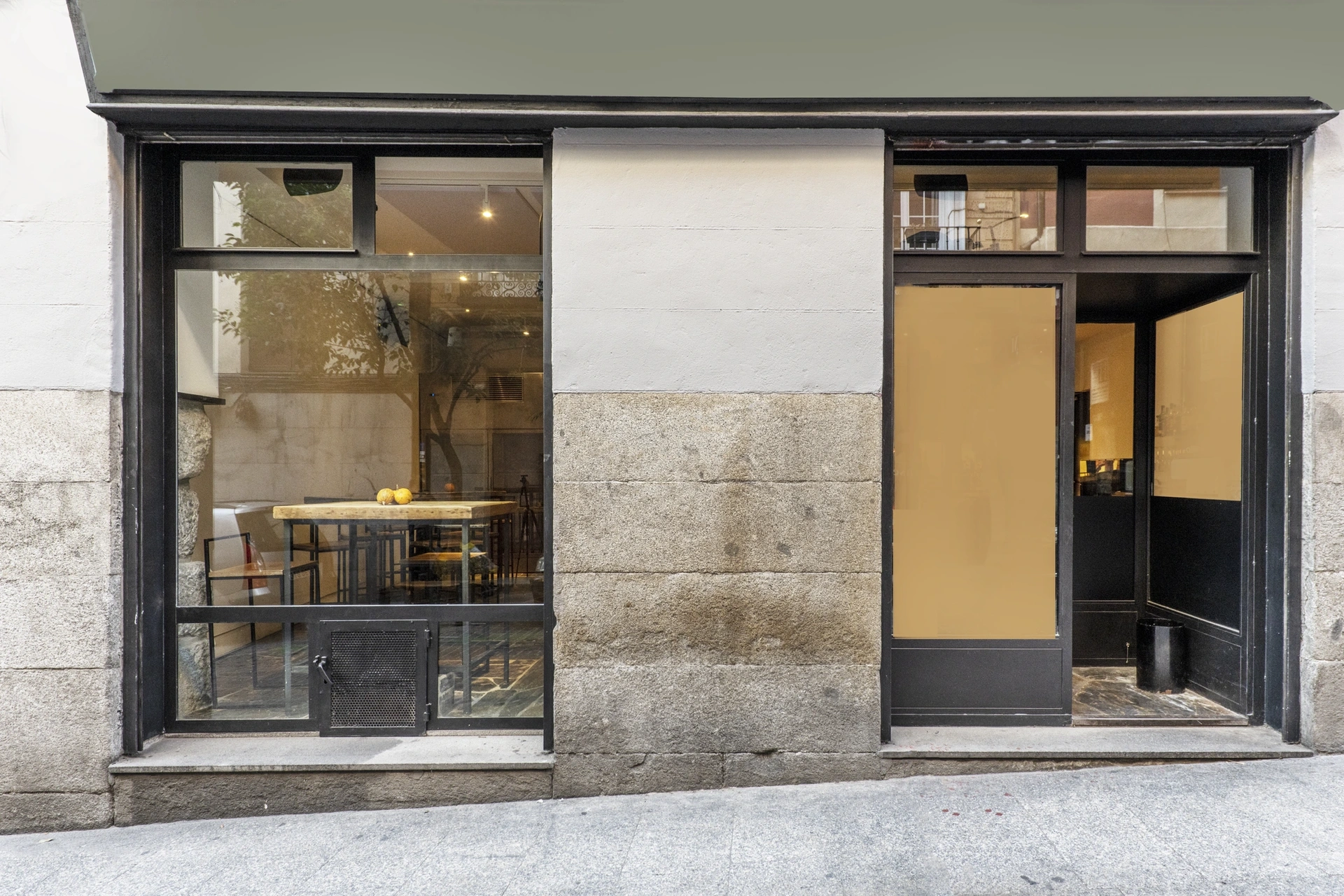
A commercial property is a real estate asset intended to accommodate business activities. This can include a shop, restaurant, office, hair salon, or any other space where goods or services are exchanged with the public. This type of space is designed to meet the needs of business activities, which means it follows specific standards for its layout.
What’s the Difference Between a Commercial Property and a Residential Property?
The distinction primarily lies in the property’s intended use. A commercial property is designated for business purposes, while a residential property is meant to house people, whether they are owners, tenants, or occupants for free.
In some cases, a property can have a mixed-use designation, with one part dedicated to living space and another for business. This is often seen in spaces where the owner lives and works at the same time.
Why Transform a Commercial Property into Residential?
Transforming a commercial or professional space into a residence can offer several notable advantages:
• More profitable: In areas with high demand for housing, this transformation can increase the property’s value, especially in cities.
• Optimizing space: Empty or underutilized commercial spaces represent a waste of space in areas where every square meter counts. Converting them into housing helps address urban densification needs while providing additional housing in highly sought-after areas.
• Positive societal impact: Converting a professional space into a residence also helps tackle housing shortages, especially in large cities where demand is high. This process can contribute to revitalizing neighborhoods by injecting new life into them.
Note about regulations:
Even though this transformation is beneficial, it's essential to comply with building, safety, and zoning regulations to ensure that the new residential space adheres to local rules.
Prerequisites Before Transforming a Commercial Property into Residential
Termination of a Commercial Lease
If the commercial property is currently leased under a commercial lease agreement, it is essential to terminate this lease before proceeding with the conversion, especially if the intention is to sell the property. However, it’s important to note that, in some cases, the local municipality might be reluctant to accept the transformation, as they want to preserve commercial activity in the city.
The owner has several options:
• Refuse to renew the lease at the end of the lease term, without having to pay compensation, if the transformation is the reason, but this could be challenging if the municipality enforces restrictions related to business activities in urban zones.
• Proceed with an early termination of the lease by following legal procedures and compensating the tenant or offering a replacement property if necessary. This option could also be subject to municipal conditions based on the current urban planning regulations.
Administrative Procedures and Regulations to Follow
The transformation of a commercial property into a residence requires following several administrative procedures and complying with construction, safety, and zoning regulations. It’s essential to check that the project adheres to local rules to guarantee the compliance of the newly created residence.
• Obtain a change of use authorization from the town hall : Before transforming a commercial property into a residence, it’s necessary to apply for a change of use from the local municipality. This process ensures that the project complies with local urban planning regulations and that the zone allows residential use. The application usually includes project plans and a description of the intended works. Without this authorization, no transformation can proceed.
• Obtain urban planning permits : For light work such as installing partitions, a simple preliminary declaration may suffice. However, for more significant works (e.g., façade modifications, creating openings), a building permit is required, and the project must be approved by the town hall.
• Consult the land registry : If any work has been done, the owner must report the changes within three months of completion using a specific form (Cerfa n° 10517*02). This updates the fiscal information and property taxes. This update is crucial, as it can directly impact local taxes, such as property tax and residential tax.
• Unanimous agreement from co-owners (if the property is part of a co-ownership) : The agreement of all co-owners is required before starting any work, which may be an obstacle if some oppose the changes.
• Assessing project feasibility : It’s important to verify the technical feasibility of the project before starting, especially considering constraints like ceiling height, which might be too high to meet habitation standards, or difficulties accessing utilities (water, electricity, gas). In some cases, it may be more cost-effective to demolish the existing building and completely rebuild, rather than transforming office space into residential units. Such considerations help identify the most cost-efficient and suitable solutions for each project.
Tax Implications and Costs of the Transformation
Transforming commercial properties into residential units results in tax implications. The local economic contribution (CET), which applies to commercial properties, will be removed and replaced by the residential tax, as long as the property is occupied by one or more people. It is crucial to report this change within three months of its completion.
As for the cost of the transformation, the administrative steps usually don’t incur direct fees. However, the cost of the works can vary greatly depending on the initial condition of the property and the extent of renovations required. Therefore, it is essential to budget for the necessary renovations, compliance work, and labor costs.
H2 - Advantages and Disadvantages of the Transformation
Advantages :
• Attractive price : Purchasing a commercial property is often less expensive than buying a traditional residence.
• Freedom to personalize : Transforming a professional space allows you to create a living space tailored to your preferences.
• Possible subsidies : Some municipalities offer financial aid to encourage such transformations.
Disadvantages:
• Cost of renovations : Transformation works can be costly, particularly for commercial properties that require significant structural changes.
• Complexity of administrative procedures : Administrative formalities can be lengthy and complex, requiring numerous permits.
Conclusion
Transforming a commercial property into a residence is a feasible and potentially highly profitable operation, provided that all administrative procedures are strictly followed. If you're ready to invest in this transformation, it’s essential to thoroughly prepare your project by securing the necessary authorizations and adhering to urban planning rules.
For help with your process, contact one of our many Capifrance advisors. They will be happy to answer your questions and guide you in creating the property that suits your needs.
FAQ:
• Can I transform any professional property into a residence?
No, not all professional properties can be converted into residences. It’s crucial to check the zoning rules and urban planning restrictions in the area where the property is located. Some zones may not allow the transformation into a living space due to local regulations or the intended purpose of the neighborhood.
• Are there any financial aids for transforming a commercial property into a residence?
Yes, some municipalities offer subsidies or financial aid to encourage the transformation of commercial properties into residential units. It is advisable to inquire with the town hall to see if such aid is available in your area.
• What if I want to convert a commercial property into a residence, but it’s located in a protected or classified area?
If the property is located in a protected zone, such as a designated conservation area or a historical monument, additional steps will be required. You will need to obtain specific authorization from the relevant authorities, such as the French Buildings of France (Architectes des Bâtiments de France), before starting any work.
• What are the consequences for property taxes after transforming commercial properties into residences?
The transformation of a commercial property into a residence can lead to a reassessment of property taxes, as they are based on the property’s use. Once converted into a residential unit, the property will be subject to residential property tax, which may result in an increase or decrease depending on the circumstances.
Author
Bernard Schustermann - Head of the Commerce & Business Division
"With 20 years of experience in the real estate sector and specialized expertise in the Commerce and Business division, my goal is to share concrete information and analyses to help each professional make the best decisions for their real estate project. Because a well-thought-out project is a successful project."


